Tuesday, August 11, 2009

Moroccan Braised Hogget Leg, Sundried Black Genoa Figs, Preserved Lemon served with Toasted Almonds, Pine Nuts, Flat Leaf Parsley & Mint Couscous


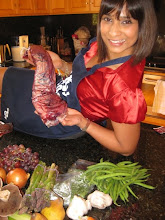
This Sunday I made my first-ever trip up to the Adelaidian suburb of Goodwood to experience the much talked about Waverly Market for myself. I simply hopped on a tram from the city (Corner of King William St and Currie) and within ten minutes I arrived at Goodwood, from which the show grounds are just a 5 minute walk from. The trip is well worth it whether you’re looking to stock your fridge with veggies and meat for the week, to score the perfect Sunday roast, simply enjoy a lazy brekkie – hot coffee and a pastry, catch a live cooking demo or merely while away some time perusing the various interesting gastro-stalls. Waverly truly offers an enjoyable atmosphere and a unique experience for one and all.


The market is a gastronomic delight with fresh local produce representing a fair share of Adelaide’s various bordering settlements with an impressive range of products from artisanal breads made in Willunga to game meats from Hahndorf. With a pitter-patter of rain, gusty gales billowing and nothing but my Moroccan inspired dinner on my mind, I was on a hunt specifically for a pair of beautiful lamb shanks. Although extremely disappointed to learn that my 11 0’clock arrival was in fact too late in comparison to Waverly’s regular market goers that flood the gates at 9 am (although the market only closes at 1 pm, the choicest cakes and cuts of meat sell out quickly), I was pleasantly surprised with an alternative option – a leg of Hogget from North Marola. Technically speaking, hogget is meat from an ovine that is one to two years old, characteristically therefore it has a more intense flavour than lamb with low to medium, internal and external fat. It requires longer cooking time than lamb and thus it makes for the ideal roasting, stewing and braising meat.

A Sweet Reward for making the Sunday Market: Carrot Cake Cupcakes, Cream Cheese Frosting and Walnuts
.
To compliment my Moroccan Hoggett dish, I was on the lookout for dried mature tasting fruit. Although I was keen on prunes or dates I couldn’t spot any, so instead I was tempted by apricots as well as raisins, but my love for all things figgy got the best of me and so the Black Sundried Genoa Figs won. In the last week of July I preserved a couple of lemons in anticipation and craving of a homemade Moroccan Feast. Almost a month later, the lemons were coated in thick syrupy lemon juice and the skins were soft and pickled – perfect for my braised dish.
.
Since the hogget has a characteristic mature, meaty flavour and paired with two unique flavour profiles – the figs and the preserved lemon I wanted to serve it with a simple staple that would complement the braise without stealing the show. With this in mind I settled on serving it with a fluffy, steamed couscous with toasted pine nuts, and almonds, chopped flat leaf parsley and mint, finished with a good squeeze of lemon and drizzle of extra virgin olive oil, and I must say the combination was sheer genius! A memorable meal to say the least…
Ingredients: 6 lamb shanks, trimmed; salt and pepper; ¼ cup olive oil

Whole spice mix: 1 tblsp whole cumin seed; 2 tsp whole fennel seed; 12 whole peppercorns; 6 whole green cardamom pods; 1 3-inch cinnamon stick; 6 whole allspice berries
Ground spices: 2 tsp paprika; 1 tsp cayenne; ¼ tsp mace; ½ tsp grated nutmeg
Aromatics: 2 bay leaves; 1 tsp lavender; 1 tsp ground ginger
Mirepoix: 1 large onion, chopped; 3 carrots, chopped; 3 ribs celery, chopped; large pinch salt; large pinch sugar
Miscellaneous: 2-3 tblsp tomato paste; 6 whole cloves garlic, lightly smashed and peeled; 150 g Sun Dried Black Genoa Figs; 2 preserved lemon rinds, cleaned, rinsed and chopped; ½ tsp saffron threads, dissolved in ½ cup warm water; 2 cups dry red wine; 1 cup dry white wine; 2 cups meat stock
For couscous: 250g instant couscous; 1 bunch flat leaf parsley, chopped; 1 bunch fresh mint; 75 g toasted pine nuts; 50g toasted almonds flaked; 2-3 tblsp lemon juice; 4-5 Black Genoa Sundried Figs, finely sliced; salt and pepper to taste; extra virgin olive oil to finish
.
.
Method: Preheat oven to 180 degrees C, set rack to lowest or second-lowest level. Generously season hogget with salt and ground pepper. Heat olive oil in a large dutch oven medium heat. Add meat and brown well. Set aside. Spoon out all but 3 tblsp fat from the pot, return to heat. Add whole spices and fry for 2-4 minutes until lightly fragrant. Immediately add mirepoix, salt and sugar and stir to combine. Reduce heat to medium-low. Sweat vegetables and spices until soft and well-caramelized. Add tomato paste, ground spices and aromatics, stir to combine and cook on medium until tomato paste and spices begin to fry in the oil. Pour in red wine, deglaze and simmer until it is reduced by half. Add white wine, saffron and stock. Return hogget to the pot, add figs, garlic and preserved lemon. Cover tightly, with a cartouche or aluminium foil under the lid, to keep the moisture inside and bake for 2 – 4 hours. Turn meat over to ensure it cooks evenly on all sides.

If cooking for 2 hours or less, for the last 30 minutes, increase the heat to 200 degrees C and bake uncovered so the top surface of the hogget is nicely browned. Meat should be fall-off-the-bone tender at this point. Remove from oven, cover, and let rest for 15 minutes.In the meanwhile prepare the couscous. Bring a pot of water to the boil, line a colander with cheesecloth or a dampened light tea-towel filling it with the couscous and allowing it to cook by steaming it for about 10-15 minutes. Check to see the grains have absorbed steam and are plumping up and flick with a spoon to ensure it is fluffy. In a bowl drizzle the couscous with olive oil once cooked, adding the chopped herbs, toasted nuts, sliced figs, lemon juice, salt and pepper to taste, tossing lightly to maintain its light, fluffy texture.
.
To serve, spoon the couscous onto the serving plate, slice the hogget in 2 cm thick pieces and arrange on the bed of couscous, with figs, preserved lemon bits and gravy caressing the plate and couscous appropriately. Extra gravy can be served in a sauceboat.

Monday, August 10, 2009

Salads, Sandwiches and Hors d'oeuvres

Classic Caeser Salad with Croutons, Crispy Bacon and Anchovies topped with an easy-over Poached Egg

Third week into the course and I have already made major progress moving from stocks, soups and sauces, learning to put together classical salads, compound salads also known as mixed salads and composed salads - where the salad is deconstructed and elements plated seperately without being tossed or dressed together.

Nicoise Salad served up as a composed salad - Grilled Tuna Steak with Mayonnaise over rings of boiled egg and red onion, latice of split haricot verts, finished with Kalamata Olives, Yellow Grape Tomatoes and Red Wine Vinegrette Dressing
.
The week entailed making favourite sandwiches like the Club Sandwich and Pullman Sandwiches as well as an array of cocktail appetisers and canapes.

Tuna-Cream Cheese and Asparagus Pinwheel Sandwiches and Rye Open-Faced Sandwich with Chive Butter, Romaine Lettuce, Pastrami and Potato Salad


Smoked Salmon, Cream Cheese topped with Caper Flowers


Ham and Olives with Cream Cheese

Roast Duck with Confit Orange Zest and Blackcurrant Jelly, garnished with Chevril

Cocktail Platter - Smoked Salmon Sushi, Spinach, Feta and Ham Filo Triangles, Scrambled Egg and Smoked Salmon Puffs, Curry Puffs, Spring Rolls, Grilled Meat Balls, Fried Pork and Prawn Wontons
.
I am lucky to have a Vietnamese Chef that teaches my class as this means that while we are learning classical French cuisine - the basics of culinary arts we are also previed to interesting South East Asian conconctions and delcacies. We tried Chef Jimmy's take on Chinese 100 year old eggs, Tom Yam Soup and most recently a refreshing tangy, sweet and sour seafood salad with chunks of grapefruit through it.
.
Chef Jimmy whips up a South East Asian Inspired Salad


Seafood Salad with Grapefruit and Mint

Monday, August 3, 2009

Beetroot and Black Russian Tomato Soup with Feta


Beetroot is not only a rich source of carbohydrates, but has no fat and is a great source of fibre, as well as said to have anti-carcinogenic properties in the red colouring matter. It is also one of the many vegetables with a range of antioxidants which help to fight various diseases as well as being a source of folic acid. Black Russians on the other hand are rich, dark mahogany-brown tomatoes a little bigger than cherry tomatoes, that have a delicious blend of sugar and acid with a distinctive, complex. It is raved as being one of the best-tasting tomatoes because of its luscious sweetness. The beetroot and black Russians meld together to form a uniquely robust soup that is given a salty tinge and creamy texture via the addition of crumbled feta garnished atop the soup. Best served with crusty white bread.

This is an adapted recipe by Hugh Fearnley Whittingstall the 'talented British writer, broadcaster and campaigner widely known for his uncompromising commitment to seasonal, ethically produced food.'

Serves 4
Preparation time: 20 minutes
Cooking time: 1 hour 30 minutes

Ingredients: 3 to 4 medium, apple-sized beetroots, (500-600g), grated coarsely, or choped into small dice; 500 g ripe Black Russian tomatoes; 1 clove garlic, chopped roughly; 1 medium onion, peeled and finely chopped; 2 tbsp olive; 500ml good strong stock (beef is best, but chicken or vegetable will do); salt and freshly ground black pepper; 125 g Greek feta cheese
.
Method: Place the beetroot in an ovenproof dish, fairly hot oven (190 degrees C). Roast for about half an hour, then add the halved tomatoes, throw over the garlic and drizzle over half the olive oil. Roast for another 25-30 minutes, until soft and pulpy. Rub tomatoes through a sieve to remove the skin and pips.
Heat the remaining oil in a pan and sweat the onion for a few minutes until soft. Add the stock, tomato puree, beetroot and simmer gently for 7-10 minutes until the beetroot is tender. Season lightly with salt and freshly ground black pepper. Transfer the soup to a blender and process until completely smooth. Taste and adjust the seasoning if necessary.
.
To serve cold, chill the soup in the fridge, then divide between six bowls. Using your fingers, crumble a little feta into each bowl. A sprinkling of grated raw beetroot makes a good garnish for the cold version.

To serve hot, reheat the soup until thoroughly hot but not boiling. Divide between warm bowls and crumble over a little feta into each bowl. Serve with crusty bread.

Friday, July 31, 2009

Week 1+2: Organising & Preparing Food to Stocks, Soups and Sauces

Chef Jimmy Chiem and Yours Truly
.
Donning my brand new clean, crisp chef whites – double breasted long sleeved coat, black and white checked pants and tightly wrapped waist apron, complete with neck-tie, hairnet and hat it would be an absolute understatement to say initially I felt out of my element. Like a little girl playing dress up, swimming in mummy’s oversized high-heeled shoes and lipstick smeared around her pout, I felt I too was drowning in what seemed to be a uniform that was way too baggy and loose (minus the clown makeup). Accustomed to fitting, ‘well-worn’ clothes, even with the XS chef whites, I still felt like a fashion disaster.

By the second day, things quickly moved beyond appearances. I am now the proud owner of my first very own chef’s tool box from King of Knives. The hardy steel case is similar in appearance to a carpenter’s toolbox (of course a lot flashier thanks to the metallic shine – not that I’m complaining!). The toolbox cost AU$ 240 and contains knives by Victorinox: Chef’s Knife, Boning Knife, Fish Filleting Knife, Paring Knife, Turning Knife, Palate Knife, as well as utensils: Carving Fork, Steel, Stone, Vegetable Peeler, Whisk, Wooden Ladle, Metal Handled Ladle with Rubber Spoon, Rubber Spatula, Plastic Scraper, Heavy Duty Serving Tongs, Digital Thermometer, Piping bag with 1 set star nozzles, 1 set plain nozzles and Pastry Brush.
.
The Full-Time TAFE Commercial Cookery Course which I am doing runs five days a week – 10.30 am to 6.30 pm, with a one hour break for lunch and to change into our chef whites. Two hours every morning is made up of theory classes, covering technicalities and forms the foundation for the hands on practical session that takes place in the afternoons. The first couple days comprised basic knife skills and the fundamentals and an introduction to organising and preparing food in general.
.
French Onion Soup with Cheese Croutes

Mid-week we had already plunged full force into stocks, soups and sauces. From grappling with proportions and ingredients of what make up a roux – the various kinds of ‘mother sauces’ it is used to form and the derivative sauces thereof, to definitions of what a moulis, chinois and mandolin are and how they are used in the kitchen.

Medium-Rare Beef Steak, Grilled Mushrooms, Bordelaise Sauce and Mushroom Sauce
.
While the theory tends to drag on a little, especially for food enthusiasts that know their gastronomy inside out – the practical classes bleat ahead with full force leaving little or no time to breathe, yet everyone, self included seem to be loving every minute!
.
So what have I learned that I didn’t already know?
.
.
- Always bend your knuckles, tucking your fingers safely below, thus guiding your knife in the right direction when chopping/ cutting. Ok I lied, I knew this, but never applied it, however I am learning my lesson after cutting the tip off my index finger on the first day of practical class and will hopefully adopt this method soon.

Pumpkin Puree Soup with Sippets, Julienne Carrots and Chopped Parsley


- Sippets are delicious miniature version of croutons fried in clarified butter. Once you pop you can’t stop.

Pommes Duchess
.

Potato Croquettes


- The best croquettes are made using a piping bag and allowing the mashed potato mixture to cool adequately (at least 20 minutes) before rolling in flour, egg-wash, breadcrumbs and deep frying (I tried this a month ago as hors d'oeuvre for a friends party, and although it did not completely flop, free-forming the shape by hand was not only a messy and arduous task, but yielded poor quality and visual unexciting croquettes. But, I will admit that a commercial deep fryer presents stiff competition.

- Mayonnaise whisked by hand replaces your quota of bicep curls for the week!

Poached Fish, Hollandaise Sauce, Crisped Skin and Turned Potatoes in Parsley Butter


- Hollandaise sauce is actually pretty easy and best prepared fresh. Goodbye to McCormick’s store bought modified starch preparation.

- Practice makes perfect. Even though I wasted god knows how many potatoes before turning a single decent potato, in the end the satisfaction of a job well done i.e. a barrel shaped potato is well worth ruining perfectly fine potatoes into mounds of useless vegetable scraps.

Carved Mash Melon boat, Musk Melon and Water Melon balls, Pineapple palm trees and Orange Segments with Sauce Anglais and Rasberry Coulis


- Oddly enough, carving fruit can be strangely satisfying and calming! And maybe I'll hone my skills in time!

Tuesday, July 28, 2009

Martini Ristorante


Martini Ristorante dishes up Southern Italian fare with a ‘modern Australian’ twist at Adelaide's northern suburb Norwood, at The Parade. Contrary to its name – apart from the classic Dry Martini and three other cocktails, it instead affords customers with an extensive range of wines to choose from. Martini has recently been in the news because Adelaidian contingent Andre, from the 2009 Top Ten Masterchef Australia television show, with his proud Italian background has carved a niche behind the scenes in their kitchen playing chefie.

Celebrating the lead up to a friend’s wedding (fellow gastronomy student, Jackie’s sister, Linda), our table of about 15 ladies kicked off the evening off with a round of sparkles – a refreshing 2005 blend of Yarra Burn Pinot Chardonnay, Meunier from Yarra Valley in neighbouring Victoria.

As I settled into my seat, arriving late, straight from my first day at cooking school with a cut to the top of my left index finger (I was a proud trooper with battle scars to show for it!), I was glad to be enveloped by the comfortable yet supportive wooden chairs, resting my weary feet and taking the edge of the long day with that much needed drink. Almost immediately I was offered the anti-pasti platter of Sardinian flat bread with char-grilled cacciatore sausage and goats curd with pepperonata, the house-special (simply, sweet roasted red and yellow bell peppers). While it made for a deliciously rustic appetiser, whetting the appetite with just the right amount of angst and curiosity, I could not help but wonder that perhaps both preparation and presentation was a little bit too ‘paysanne’ to qualify as suave-restaurant quality nibbles.

Following the simplicity of the flat bread anti-pasti platter, up next was olive oil and herb marinated Coriole olives and sliced field mushrooms served a la bruchetta style on sliced, toasted baguette. Taking it the next level was a mixture of what tasted and appeared to be a combination of scallop and crab meat, characteristically identified by the flaky, coarsely shredded white flesh dressed in a subtle piquant spice of chilli and lemon coated and served on a scallop half shell, with a bit of cream through it, topped with light breadcrumbs to created a crispy textured topping from a quick bake in the oven. The contrast in texture was a delight with a beautiful mouth-feel, my spoon cutting through a light, crunchy exterior that yielded a smooth a delicate creamy interior.

With three entrees down, it was time to sample the pasta on offer. First up was the Pappardelle con Anatra – flat, wide ribbon pasta served with a rich, velvety ragu of slow cooked duck and field mushrooms. At this point the table switched to a full bodied, South Australian drop – Coonawara’s Hollick 2004 blend of Cabernet, Merlot.


A lighter, fresh and somewhat unusual dish of pasta came next. It screamed spring with a super spunky, bright vibrant chlorophyll tinged pureed sauce coating generous strings of spaghetti, strewn peas finishing off the dish adding panache and variant delicate texture. I love how the peas exploded in the mouth exuding a subtle sweetness.

Last but not least, the Seared Tuna with Calamri Fritti – local salt and pepper squid, served with pear, rocket and parmesan salad and a lemon aioli was refreshing. The tuna cooked to perfection, pink on the inside, yet firm to the touch, with gorgeous grill marks scoring the top.


To end things in indulgent style, I opted for the tiramisu – an Italian classic served with a contemporary twist – on a bowl sized waffle providing a crisp, crunch that accompanied every bite of the decadent chocolate and liqueur infused cream and airy cake – it was absolute bliss.

The special dessert that evening was the bomba – banana and chocolate filled doughnut balls dusted with sugar, and these were popular with most of the ladies, undoubtedly it made for novel presentation, and was not too sweet. A bit of custard with the banana would have really given the doughnuts a lift and made the dish more impressive overall. If you’re going all out, you might as well in style the whole nine yards right!


Martini Ristorante on Urbanspoon

Monday, July 20, 2009

Wild Rosella Glazed Pork Chops with Baked Scalloped Emmenthal Potatoes


Wild Rosella is a tasty bush flower, indigenous to Australia and found in tropical Queensland. Similar in appearance to the hibiscus flower it has a rather tart flavour with characteristic notes of raspberry and plum. A truly rich antioxidant source it has incredibly high levels of the two most active anthocyanins and is believed to be a natural remedy for high blood pressure.

Outback Spirit, an Australian company manufactures Wild Rosella preserve which is perfectly suited for the glaze. Along with molasses and a splash of red wine vinegar it makes a robust marinade that mellows into a rich, beautiful sticky-sweet glaze when cooked, balanced by caramelised scallions that pack a contrasting piquancy, perfectly complimenting the pork chops. I relished the meal appropriately with a glass Santa Julia Malbec - a full bodied, yet soft wine with a cherry and plum aroma, from Mendoza, Argentina.

Other native Australian fruits include Pepper Berry – hailed as the world’s strongest antioxidant and polygodial rich, traditionally used as a bush medicine by indigenous Aboriginals. Illawarra Plum rivals the pepper berry for the title of strongest antioxidant being high in anthocyanins and Vitamin C. And the Kakadu Plumis is another favourite “health food” of the Aboriginal people, with the world record for the highest Vitamin C content and being a phytonutrient feast full of antioxidants such as folic acid, iron. If you live outside Australia, finding Wild Rosella will be extremely challenging, substitute with a raspberry or blackberry jam to recreate a similar flavour – it is sure to deliver a sweet-jammy flavour.


Serves 2
Prep Time: 15 minutes
Cooking Time: 30 minutes

Ingredients

For the potatoes:
3 medium-large potatoes, peeled and sliced; ½ cup milk; Olive Oil; 2 tsp dried Italian herbs; 100g Emmenthal, thinly sliced; Salt and pepper to season

For the pork:
100g Wild Rosella confit; 1 tsp molasses; 1 tsp red wine vinegar; 2 pork chops
2 scallions, finely sliced; Salt and Pepper to season; Olive Oil for frying


Method: Preheat oven at 200 degrees C. Fill two ramekins with 2-3 slices of potatoes, season with salt and pepper, herbs, place a slice of emmenthal and then repeat until full. Every 2-3 layers add a tiny dribble of milk. To finish drizzle with olive oil, cover the top of the ramekins with aluminium foil and pop into the oven for half an hour. The last ten minutes, remove the foil and allow the top to form a golden-brown crust.

In a bowl combine the wild rosella confit, molasses and red wine/ vinegar, set aside. Pat pork dry and sprinkle with ½ tsp salt and ¼ tsp pepper. Heat oil in a heavy skillet over moderately high heat until hot, but not smoking, then fry pork along with shallots, until pork is browned and shallots are golden brown and tender, about 5 minutes total on both sides, stirring shallots occasionally. Add the wild rosella mixture to the pork, reduce the heat to moderate and coat the meat evenly, cooking it until the liquid turns into thick syrup, about 2-4 minutes, turning over once, until pork is just cooked through. Transfer pork to a platter allowing it to rest for 5 minutes.

To serve, pour sauce over pork and scoop out the scalloped potato out of the ramekin onto the same plate.

___________________________
More pork recipes?

Sunday, July 19, 2009

With my Masters in Gastronomy in the bag, I say hello to Cooking School at TAFE, SA

July 2009 is proving to be an incredibly important month for me, marking two major milestones. The submission of my dissertation: Marketing South Australian Wine Tourism to High End Indians – a labour of sheer dedication and persistence that has been six months in the making, signals the completion of my Le Cordon Bleu, Masters of Gastronomy Programme. The paper argues South Australian wine tourism presents enormous potential for the affluent, “high end” Indian tourist market, which so far is an untapped niche. The crux of my arguments is based on the fact that high end Indians with aspirational and ostentatious characteristics, display clear consumption patterns including shopping, travelling, eating and drinking that make them an enticing economic prospect for the South Australian wine tourism market.

Following a thorough review of literature in the field of wine tourism, cross cultural and behavioural studies, marketing, principal concepts and approaches to studying wine tourism are developed in relation to “experience”, “lifestyle” and the development of “destination branding”. All of this is complemented by survey research I carried out at wineries in the McLaren Vale region of South Australia, which provided data to support my hypothesis. What I found was that current tourism sector lacks the appropriate development in the form of an internationally intensive, penetrating destination branding campaign supported by efficient infrastructure, activities on offer and bundling of attractions. Thus, my dissertation concludes by noting high end Indians belong to a category of “transnational” tourists, whose consumer behaviour tends to be based on their interests, tastes and social position (as opposed to ethnicity or race), making them representative of a new affluent class of gastro-tourists, making my dissertation all the more pertinent to the study of what is a burgeoning field of social activity.

As one door closes, another one opens. Tomorrow I begin my first day of what will be a year long journey at TAFE Regency Park’s cooking school, pursuing the Certificate III in Hospitality – Commercial Cookery Course. I am eager to hone my raw, barely existent culinary skills and develop my enormous passion for food by learning everything from scratch including basic kitchen safety and security, knife skills, how to work a pan like a professional, to preparing sauces, stocks, soups, appetisers, salads, poultry, meat, seafood, pastries, cakes and yeast goods.

As you can see through my recently documented cooking escapades, I have become immersed in the world of cooking be it simply following a reliable recipe, developing new techniques, utilising unfamiliar ingredients, reaching back to my roots for inspiration or experimenting wildly. This has been a conscious effort to build up my confidence in the kitchen and spur on a new dimension to my insatiable love for food. I hope this hands-on cooking school experience will not only bolster my writing giving it depth and dimension, but that it will also foster a whole rounded understanding of food giving me a paddock to plate perspective by inculcating culinary knowledge from a grassroots level. One thing is for sure, there will be many more culinary adventures to be had with cooking school snippets in the future... so stay tuned!

To balance all the extravagant eating I have been doing, the gym continues to be a religious daily routine. In fact the last two months I have been teaching Spin classes (a one hour intensive cardio group exercise workout on indoor bikes that simulates an outside cross-terrain ride, coordinated to music with structured tempo) at the University of Adelaide Gym on Monday and Wednesday evenings.

Saturday, July 18, 2009

Spinach and Roasted Red Bell Pepper Lasagna


When I think of Italian food, carne - the word for meat, immediately springs to mind and I am inundated with the images and flavour of spaghetti bologanise, meatballs, sausages infused with flat-leaf parsley, fennel and red wine, slow braised osso bucco and platters bursting with mortadella, soppressata, pastrami, prosciutto, pepperoni and bresaola carpaccio that leave me salivating and gasping for air.

About two years ago however, I learned this was not the case. While all of the afore mentioned are popular Italian favourites world-wide, the fare enjoyed by Italians on a daily basis revolves around simple, fresh vegetables and herbs strung together with homemade pasta, quality artisan cheeses and tomato sauce made from scratch. I used to teach English to two Italian kids from Turin and given my love for meat and misconception that copious amounts of beef and pork were part of the Italians daily regime, when I was invited over for dinner one night, I prepared myself for the ultimate meat fest. At first I was sadly disappointed by the obvious lack of carne, and then surprised by the simplicity of the meal. We began with slices of toasted baguette and a wonderfully characteristic hard, deep yellow cheese (the name I cannot remember) and a salad of quartered tomatoes doused in olive oil and stuffed with buffalo milk bocconcini. Then we moved on to the pasta course - a gigantic bowl of spaghetti simply tossed in olive oil and Parmesan cheese accompanied by another salad, this one a generously green and leafy with sliced red onions and a light olive oil vinaigrette. To finish a thin crust Margarita pizza smothered in golden-brown mozzarella followed suite.

This tricolour Spinach and Roasted Red Bell Pepper Lasagna is not only patriotically Italian but also captures their innate ability to take fresh, honest, simple ingredients and produce a rustic, sensual symphony for all the senses to savour. Flavoured with a generous handful of torn basil this dish is best bolstered with a glug of deep, bold red wine.


Ingredients

For the lasagna: 250 g dry lasagna sheets; 4 cups tomato sauce*; 250 g fresh spinach, stems removed, washed thoroughly; 225 g roasted red peppers; 110 g cream cheese; 1 ½ cups ricotta cheese; 3/4 cup Parmesan cheese, freshly grated; 1 egg; Salt & pepper; 225 g mozzarella cheese, thinly sliced or grated

*For the sauce: 2 tblsp of virgin olive oil; 1 cup onion, finely chopped; 1 tsp garlic, finely chopped;
handful basil leaves, torn; 4 cups canned tomatoes, coarsely chopped; Pinch of sugar; Salt and pepper to taste


Method: Preheat your oven to 170 degrees C. Bring a pot of water to boil, add blanch spinach (cook until slightly tender, for only about 2-4 minutes.) Drain, cool, and squeeze out excess moisture. Using a fork beat cream cheese until smooth, mix with ricotta, ½ cup grated Parmesan cheese and egg until well blended. Season with salt and pepper.

For the sauce, sauté onion and garlic in olive oil for 3-5 minutes. Add basil, tomatoes, sugar, salt and pepper. Bring to boil, reduce heat and simmer for 20 to 25 minutes. Taste for seasoning.

To assemble, spread a little tomato sauce on the bottom of your 9 x 13-inch baking pan. Cover with a layer of lasagna sheets making sure to overlap the edges a little. Add a little more sauce, some of the cheese mix, spinach, roasted peppers, and mozzarella. Add another layer of lasagna sheets and repeat until no filling ingredients remain. Reserve enough sauce, Parmesan cheese, and mozzarella for the top layer. Bake uncovered in the preheated oven for 25 minutes. Add a layer of aluminium foil and bake another 10 minutes. Remove lasagna from oven and let stand for 10 minutes before serving.
_______________________________
Looking for more veggie Italiano recipes? You might enjoy...

Friday, July 17, 2009

Moroccan Preserved Lemons


Traditionally preserved lemons are used in Moroccan Tagines - conical shaped earthen slow cookers used to braise lamb, infusing it with a wonderfully mellow characteristic citrus flavour. Today preserved lemons are being put to use as a flavouring for butter used on mashed potatoes, to season grilled fish or used in its concentrated full form to spice up sauteed greens, caramelised veggies and even as base for a lemony sorbet!

Super simple to make this home-made version is a cheaper and fresher alternative to store bought version. It takes minutes to make and lasts up to six months in your fridge and will definitely come in handy many a time. This recipe has been taken from culinaire guru David Lebovitz's blog living the Sweet life in Paris.


Ingredients: Lemons (8-10 are recommended to preserve and another 1-2 for juicing); Kosher/ sea salt; Optionally add a stick of cinnamon; couple of coriander seeds; bay leaf; dried chili
.

Method: Scrub the lemons with a vegetable brush and dry them off. Cut off the little rounded bit at the stem end if there's a hard little piece attached. From the other end of the lemon, make a large cut by slicing lengthwise downward, stopping about 1-inch from the bottom, then making another downward slice, so you've incised the lemon with an X shape.

Pack coarse salt into the lemon where you made the incisions. Don't be skimpy with the salt: use about 1 tbsp per lemon. Put the salt-filled lemons in a clean, large glass jar with a tight-fitting lid. Add the optional aromats if using. Press the lemons very firmly in the jar to get the juices flowing. Cover and let stand overnight. The next day do the same, pressing the lemons down, encouraging them to release more juice as they start to soften. Repeat for 2-3 days until the lemons are completely covered with liquid. If your lemons aren't too juicy, add more freshly-squeezed lemon juice until their submerged.

After three weeks to a month the preserved lemons should be soft, and then they are ready to use. Store the lemons in the refrigerator, where they'll keep for at least 6 months. Rinse before using to remove excess salt. To use, simply remove lemons from the liquid and rinse. Split in half and scrape out the pulp. Slice the lemon peels into thin strips or small dices, or squeeze the juice through a sieve to obtain highly concentrated, flavourful juice.

Thursday, July 16, 2009

Tarragon Cream and Almond Crusted Rack of Lamb with Gruyere Rosti Potatoes


Tarragon known as "little dragon" is derived from the French word estragon and the Latin word dracunculus. The dragon connection may have originated from the herbs fiery tang or from its serpent-like roots. Incidentally tarragon was also believed to cure the bites of snakes, serpents and other venomous creatures. It's delicate flavor predominant in French cuisine promotes appetite, complementing a wide range of poultry and is best used sparingly.

Paired with beautiful Australian lamb in this recipe, tarragon diffuses a warm, subtle flavor through the smooth cream, contrasted by the taste and texture of toasted, crunchy almonds, fresh, earthy young pea sprout shoots and crisp potato rosti cake infused with robust Swiss Gruyere cheese.


Serves 2-4

Ingredients

For the rack of lamb: 1 Australian rack of Lamb; 200g soft cream cheese/ sour cream; 100g fresh white breadcrumbs; 2 tbsp fresh tarragon; 15 ml milk; 50 g flaked almonds; 1 large onion, finely chopped; 50 g butter


For the rosti potatoes: 3 peeled large Yukon Gold potatoes, grated; 1 small onion, finely chopped; 1 egg; 115 g grated Gruyere cheese; ½ cup breadcrumbs; 2 tablespoons butter/ vegetable oil

Method: Combine grated potatoes, chopped onion, egg and grated Gruyere cheese, using the breadcrumbs to shape into round patties no higher than ½ inch high to ensure the potato cooks through and is crisp on the outside. Melt butter into a frying pan or heat together vegetable oil until hot, brown potato patties over high heat, about 3 - 4 minutes each side, until well browned on both sides. Remove from pan and set aside.

Pre-heat oven to 200 degrees C. In a bowl mix the cream cheese and breadcrumbs, 1 tbsp tarragon, 1 tbsp milk, salt and pepper to taste. Cut rack of lamb into three. Cover the bones with foil, put a good dollop of the cream mixture and spread evenly on top of each rack of lamb, press almond flakes on top. Bake in oven for 15 – 20 minutes if you like it rare or a little longer according to your preference. Stick potato rosti in the oven along with the lamb to warm through and crisp further.

Allow lamb to rest for 5-8 minutes, remove foil from lamb bones, serve atop a rosti potato patty with a dollop of sour cream and garnish with pea sprout shoots.

_________________________________
Looking for another lamb-tastic recipe?
Pesto Double Lamb Cutlets with Smoked Pumpkin Risone

Tuesday, July 14, 2009

Broccoli Soup with Lemon-Scallion Cream


This soup is an adapted recipe from Molly Wizenberg's blog Orangette, author of cookbook 'A Homemade Life'. The lemon-scallion cream punches up this classic comfort soup by adding a refreshing, exciting dimension and re-inventing what can be boring broccoli soup with an irresistible zesty flourish. Should you have any leftover sour cream mixture, it makes for a delicious dip along with potato chips or cucumber and carrot fingers.


Serves 4-6

Ingredients

For the soup: 1 tbsp unsalted butter; 1 tbsp olive oil; 1 small yellow onion, coarsely chopped; 2-3 cloves garlic, coarsely chopped; 800 g broccoli, both crowns and stems, trimmed and coarsely chopped; 5 cups chicken or vegetable stock; 1 rind (about 2 inches square) from a piece of Parmesan cheese; ¾ tsp. kosher salt, or less if your broth is well salted

For the sour cream:1 cup sour cream (not low-fat or nonfat); 2 scallions, white and pale green parts only, very thinly sliced; ¼ cup minced chives; 1 tsp grated lemon zest; 2 tbsp fresh lemon juice; ½ cup finely grated Parmesan cheese; ½ tsp kosher salt; ¼ tsp pressed or minced garlic

Method: In a small stockpot, warm the butter and oil over medium heat. Add the leeks and onion, and cook, stirring occasionally, until they have softened and the onion is translucent, about 10 minutes. Add the garlic, and cook for one minute. Add the broccoli, stock, Parmesan rind, and salt, and stir to mix. Bring to a boil, reduce to a simmer, and cook, partially covered, until the broccoli is tender, about 20 minutes.

While the soup cooks, prepare the cream. In a medium bowl, stir together the sour cream, scallions, chives, lemon zest, lemon juice, grated Parmesan, salt, and garlic, mixing until fully combined. Taste, and adjust as necessary.

To finish the soup, remove the Parmesan rind. Using a blender and working in small batches – when puréeing hot liquids, never fill the blender more than one-third full – purée until very smooth. (Alternatively, purée it in the pot with an immersion blender) Return the soup to the pot, add a few dollops of the cream mixture – I add about 1/3 cup – and stir to incorporate. Taste for seasoning, and adjust as necessary. If needed, re-warm the soup gently over low heat. Serve the soup with a spoonful or two of the remaining cream on top.

_______________________________
Eager to warm up your winter?
Try Heston Blumenthal's Pea and Ham Soup
or Spiced Pumpkin Soup

Monday, July 13, 2009

Oreo Cheesecake


My first encounter with deliciously naughty Oreo Cheesecake was at Spiga, a beloved Bangalore al-fresco resto-cafe that closed down about two years ago. Since then the owners have opened a resto-lounge - Couch, aiming for a retro-chic club atmosphere, showcasing a few old favourites, but the simplistic, hit-the-spot dishes like the infamous House Salad, Lemon Fish, Herb Crusted Rack of Lamb and Oreo Cheesecake seem to have sadly disappeared forevermore.

The inspiration for re-creating this classic Spiga dessert is my boyfriend a.k.a personal trainer and incredible hulk, Sameer. For us Sundays mean skype dates (the modern preserve of long distance relationships) and for Sameer it signals the end of a long week - a "cheat day" from his rigorous health regime, legitimising an entire day of sin - gorging on pints of Baskin Robbins Pralines and Cream, Pepperoni Pizza and Quarter Pound Buttery Beef Steaks! About two months ago in between one of our skype dates I caught him scoffing not one, two or even three, but an entire sleeve of Oreo cookies discreetly! And when I, the appalled food snob confronted him, he claimed they were meat cutlets! While I am never going to let him live that one done, this dessert is a super simple treat that will disappear in no time!


Ingredients: 1 pack Oreo biscuits (12-14 pieces or 150g); 70g butter; 100g caster sugar; 250g softened cream cheese; 120ml whipping cream; 50ml UHT full cream milk; 1 tblsp Gelatine

Method: Prepare a loose bottom or spring form round cake tin. Wrap the loose base of the tin with aluminium for easy removal of cake later. Separate the oreo biscuits’ cream into a bowl. To make the base, crush 10 pcs Oreo biscuits till fine, a blender will ensure its fine. Add in the softened butter to the crushed biscuits and mix well. Spread the crumbs evenly onto the prepared cake tin. Press firmly over the base and refrigerate it at least for about 30 mins or chill it until firm.

Meanwhile, beat the softened cream cheese with castor sugar till creamy and pale. Add in whipping cream and the oreo biscuits cream (separated from the biscuits) and mix well. Heat up the full cream milk and gelatin in a pot. Keep stirring till it boils and make sure the gelatin is dissolved. Then set aside to let it cool down for a minute or two, until about 60 C degrees. After that, pour the gelatin mixture into cheese filling and mix well. Crush/break the remaining 2 pcs of Oreo biscuits into chunks. Fold in the crushed biscuits into the cheese filling. Pour the cheese filling over the chilled biscuit base and chill it over night or chill it until firm.